Consistent
Sleep and wake times
I’m working on going to bed between 9:00 and 9:30 p.m. and waking up between 5:00 and 5:30 a.m. My focus is bringing wake events down. Read my sleep plan →
 Chad M. Gobel
02 / INVEST IN THE WHOLE YOU
Live better, for longer.
I’m interested in having the energy, clarity and health to enjoy the life I’m building. Sleep, nutrition and recovery are ongoing work for me, and I’m sharing the process as I go.
What I’m working on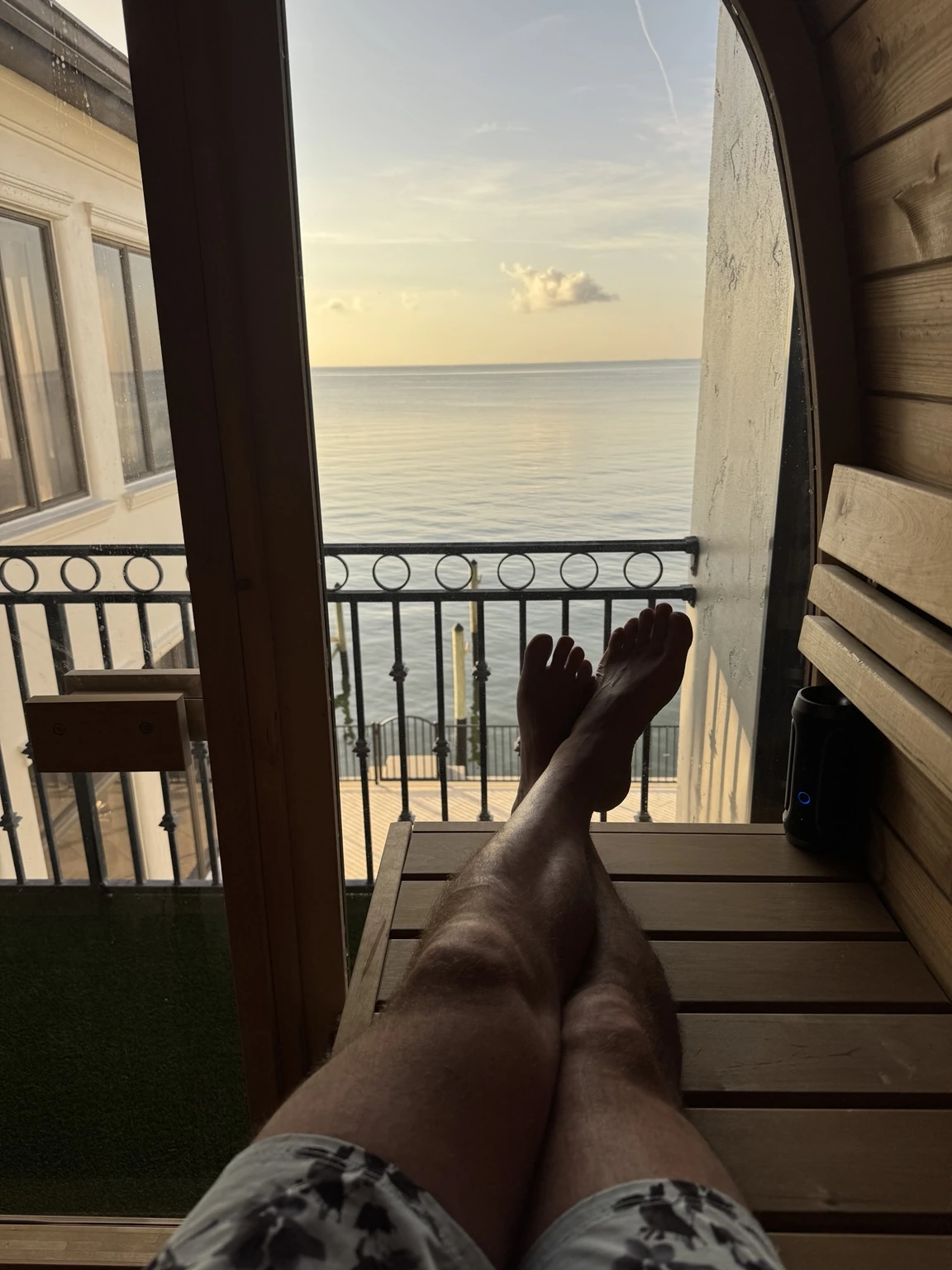
WHY IT MATTERS TO ME
A serious health scare changed the way I think about taking care of myself. Being available to my boys starts with paying attention to my own health. I want to be here for them, and I want to have the energy to participate.
MY CURRENT FOCUS
My starting plan · November 2026
Consistent
I’m working on going to bed between 9:00 and 9:30 p.m. and waking up between 5:00 and 5:30 a.m. My focus is bringing wake events down. Read my sleep plan →
Ongoing
Bring symptoms, lab results and treatment questions to a licensed clinician.
These are personal goals and practices. Progress updates will be dated as I share them.
MY LAB RESULTS · NOVEMBER 2026
My blood work gives me another part of the picture. Some results are within the lab’s reference range, while others need follow-up with my clinician.
Quest Diagnostics · Blood collected November 5, 2026 · Partial report issued November 16, 2026 · Summary added November 17, 2026
Hemoglobin A1c
5.1%
Within lab reference
Reference: below 5.7%.
Apolipoprotein B
85 mg/dL
Within lab reference
Reference: below 90 mg/dL. An individual treatment target can differ.
Total testosterone
150 ng/dL
Flagged low
Reference: 250–1,100 ng/dL. Free and bioavailable testosterone were also flagged low.
Hematocrit
52.9%
Flagged high
Reference: 39.4–51.1%. Hemoglobin was also flagged high at 17.7 g/dL.
The main follow-up items in this report are low testosterone, elevated hematocrit and hemoglobin, elevated DHEA-S (487 mcg/dL), and the kidney markers—creatinine 1.53 mg/dL and creatinine-based eGFR 53 mL/min/1.73 m².
These are results to interpret with my clinician, including my symptoms, treatment timing, supplements and earlier tests. I’m not using one blood draw to diagnose a condition or decide a prescription change. Creatinine-based estimates can be affected by muscle mass, but that does not establish the reason for my result.
This blood was collected before my November 14 routine and supplement changes. It cannot show whether those changes worked. IGF-1 was still pending in the supplied report.
| Test | Result | Lab reference | Report context |
|---|---|---|---|
| Total testosterone | 150 ng/dL | 250–1,100 | Low |
| Free testosterone | 24.0 pg/mL | 46.0–224.0 | Low |
| Bioavailable testosterone | 52.5 ng/dL | 110.0–575.0 | Low |
| Hematocrit | 52.9% | 39.4–51.1 | High |
| Hemoglobin | 17.7 g/dL | 13.2–17.1 | High |
| DHEA-S | 487 mcg/dL | 32–279 | High |
| Creatinine | 1.53 mg/dL | 0.70–1.30 | High |
| Creatinine-based eGFR | 53 mL/min/1.73 m² | ≥60 | Low |
| FSH | <0.7 mIU/mL | 1.4–12.8 | Low |
| LH | 0.2 mIU/mL | 1.5–9.3 | Low |
| Fasting glucose | 77 mg/dL | 65–99 | Within range |
| Hemoglobin A1c | 5.1% | <5.7 | Within range |
| ApoB | 85 mg/dL | <90 | Within range |
| LDL cholesterol | 94 mg/dL | <100 | Within listed reference |
| HDL cholesterol | 50 mg/dL | ≥40 | Within range |
| Triglycerides | 72 mg/dL | <150 | Within range |
| Total cholesterol | 160 mg/dL | <200 | Within range |
| Vitamin D | 65 ng/mL | 30–100 | Within range |
| Magnesium | 2.2 mg/dL | 1.5–2.5 | Within range |
| TSH | 1.61 mIU/L | 0.40–4.50 | Within range |
| AST | 19 U/L | 10–35 | Within range |
| ALT | 12 U/L | 9–46 | Within range |
| Homocysteine | 12.4 µmol/L | ≤15.2 | Within range |
| hs-CRP | 1.3 mg/L | Report lists optimal <1.0 | Above listed optimal; report’s 1–3 band |
| IGF-1 | Pending | Not yet reported | Partial report |
These selected values are not the full report. “Within range” is not an overall health assessment, and lab reference ranges are not automatically personal treatment goals. Homocysteine 12.4 is within this lab’s range. Absolute lymphocytes (996 cells/µL) are also within this report’s range of 850–3,900.
I’m sharing my personal results, not medical advice, a clinic protocol or a recommendation to use the same supplements or treatments. Clinical interpretation and treatment decisions belong with a licensed clinician.
Source: my Quest Diagnostics partial report. General context: Endocrine Society monitoring guidance ↗ · NIDDK on interpreting creatinine estimates ↗.
IN EVERYDAY LIFE
Sleep is the first thing I’m fixing. My WHOOP showed 14 to 18 wake events a night in October 2026; my goal is 10 or fewer. I took a Lofta home sleep test on November 9, 2026 and am working through the results with my doctors. My measurements, test and sleep plan →
I use a planned daily rhythm for meals, protein and hydration. The full routine shows the specifics; this page is where I’ll share what I can consistently follow and what changes over time.
Sauna, cold plunge and time focused on breathing are part of my morning routine. I’m sharing my own experience, without treating it as a prescription for someone else.
I discuss my health, lab results and treatment questions with clinicians. Products, supplements and prescriptions in my routine reflect my circumstances. They are not a checklist for another person.
This is my personal experience, not medical advice. Wearable readings are not a diagnosis. Discuss supplements, medications and recovery therapies with a licensed clinician.
WHAT I’M LEARNING
One meaningful update at a time.
/ STARTING POINT
My sleep has been inconsistent. I’m tracking how often I wake up and how consistently I follow my sleep routine.
LET’S LEARN FROM EACH OTHER
If you’ve figured out something I’m still working on, or see something I could do better, I want to hear it.